%20Logo.png?width=100&height=100&name=brs%20(Bow%20River%20Solutions)%20Logo.png)
Kubernetes: The Open Source Platform for Containerized Applications
Kubernetes, also known as K8s or kube, is the leading open source container orchestration platform that automates deployment, scaling, and operations across hybrid and multicloud environments. By providing consistent, policy-driven automation for containerized workloads, Kubernetes helps enterprises increase reliability, optimize resources, and accelerate innovation—turning modern application management into a measurable advantage.
How Kubernetes Orchestrates Modern Containerized Applications
Kubernetes is an open source platform for managing containerized workloads and services, purpose-built to automate deployment, scaling, and lifecycle operations. Originally developed at Google and released as open source in 2014, Kubernetes embodies more than 15 years of production experience and community innovation. Inspired by Google’s internal system Borg, it has become the standard container-centric management software for running applications at scale.
Through declarative configuration and extensible APIs, Kubernetes simplifies how teams operate distributed systems—enabling hybrid, multicloud, and edge deployments with consistency and resilience. As the foundation of cloud-native ecosystems, Kubernetes empowers organizations to build once, deploy anywhere, and scale efficiently—creating a flexible, cost-optimized infrastructure for today’s data-driven enterprise.
Key Features & Capabilities
Kubernetes transforms how organizations deploy and manage containerized applications by automating every operational layer.
-
Automated Deployments: Define your desired state once—Kubernetes ensures your applications run as intended through continuous reconciliation and health checks.
-
Service Discovery & Load Balancing: Automatically exposes containers through DNS or IP and distributes network traffic to maintain stability.
-
Self-Healing: Restarts failed containers, replaces unresponsive ones, and ensures only healthy workloads are served to users.
-
Resource Optimization: Intelligently schedules workloads across nodes for efficient CPU, memory, and cost utilization.
-
Scalability & Rollouts: Scales applications horizontally and manages rolling updates or rollbacks with zero downtime.
-
Multi-Cloud Flexibility: Deploy easily across AWS, Azure, GCP, and hybrid environments with automated infrastructure management.
-
Enterprise-Grade Security: Enforce masking, encryption, and role-based policies for compliance and privacy across all datasets.


Business Benefits
Kubernetes empowers enterprises to accelerate innovation, optimize operations, and scale applications intelligently—delivering measurable business impact across productivity, cost, and performance. By automating up to 80% of manual deployment and maintenance tasks, it frees engineering teams to focus on higher-value innovation rather than repetitive operations. This automation not only boosts productivity but also creates a more predictable, reliable delivery pipeline.
Cost efficiency becomes a strategic advantage with Kubernetes. Its intelligent scheduling maximizes resource utilization, reducing cloud and infrastructure spend by ensuring compute and storage are allocated only when needed. Meanwhile, built-in self-healing capabilities ensure continuous availability by minimizing downtime and service disruption, giving organizations stronger reliability and consistent uptime.
Kubernetes also enhances agility and long-term flexibility. It dynamically scales applications to meet changing demand across hybrid and multicloud environments, enabling faster responses to market shifts. Its build-once, deploy-anywhere model prevents vendor lock-in and supports hybrid cloud strategies. Through automated rollouts and updates, Kubernetes accelerates release cycles—turning agility into a true competitive advantage.
Kubernetes Use Cases Across Industries
Kubernetes powers modernization across industries by enabling scalable, resilient, and portable applications that adapt to demand in real time.
-
Energy & Manufacturing: Automates predictive maintenance and IoT data processing by orchestrating microservices across on-premises and cloud environments.
-
Financial Services: Accelerates digital banking innovation with secure, containerized microservices that ensure compliance and 24/7 uptime.
-
Retail & eCommerce: Scales during high-traffic events—like flash sales—through automated autoscaling and intelligent load balancing.
-
Technology & SaaS: Simplifies multi-cloud delivery, allowing seamless deployment of new features with minimal downtime.
Integrations & Compatibility
Kubernetes runs consistently across on-premises, hybrid, and public cloud environments—offering true infrastructure independence. Its open source architecture integrates seamlessly with leading platforms like Microsoft Azure, Amazon Web Services (AWS), Google Cloud, and IBM Cloud, enabling enterprises to choose the best environment for each workload.
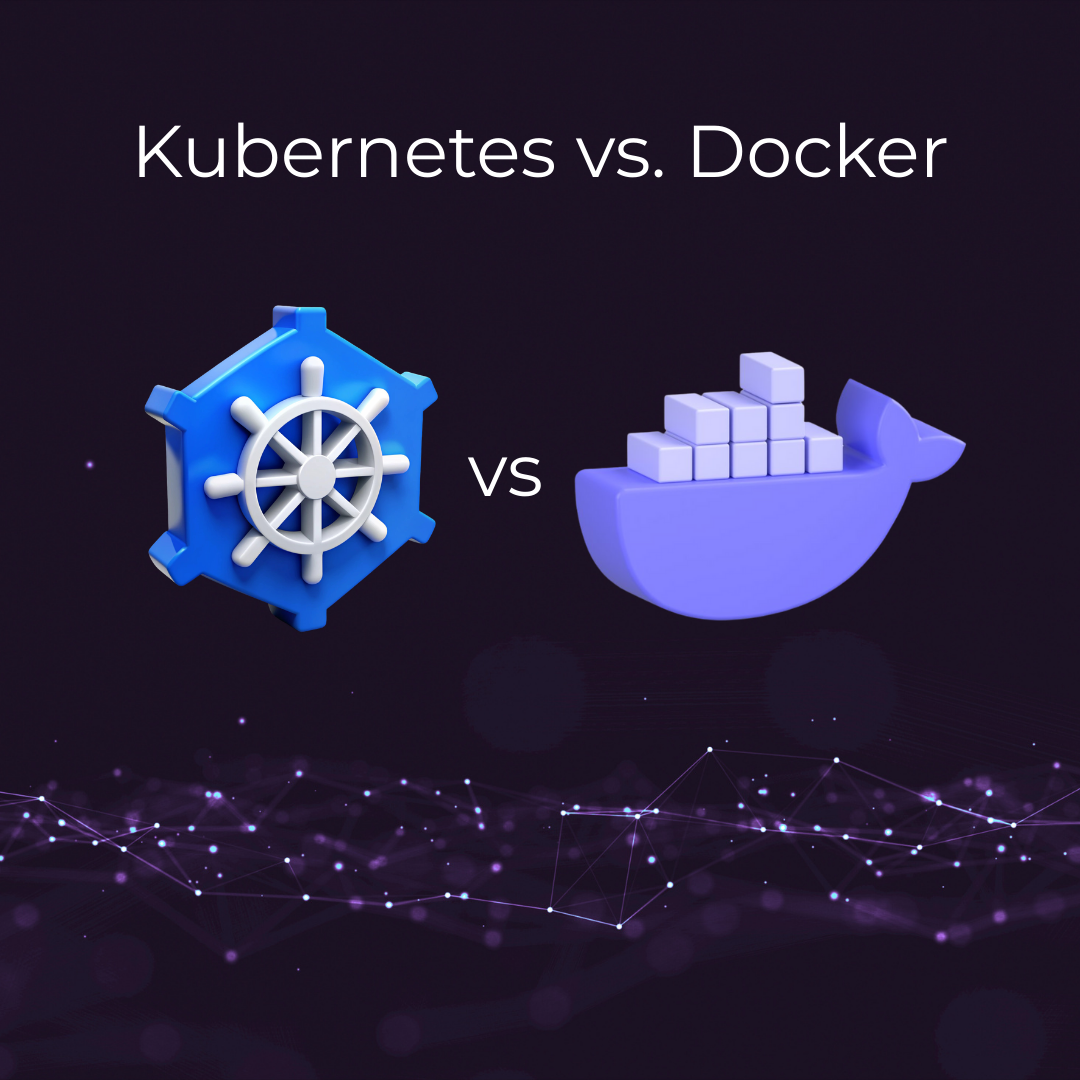
Kubernetes also supports key ecosystem technologies such as Docker, Istio, Knative, and Tekton, extending its capabilities for containerization, service mesh, serverless, and CI/CD automation. This interoperability empowers teams to build, deploy, and scale applications anywhere with reliability and control.
brs + Kubernetes = Container Orchestration
With brs and Kubernetes, organizations achieve enterprise-grade container orchestration designed for scalability, automation, and resilience. Our experts leverage Kubernetes to modernize legacy applications, streamline DevOps pipelines, and enable hybrid multicloud operations—helping organizations operate smarter, reduce costs, and transform infrastructure into a future-ready ecosystem.
Empower Your Cloud-Native Future
With Kubernetes and brs, organizations across Canada and North America simplify operations, scale applications intelligently, and modernize infrastructure with measurable ROI.
Turn Your Data into Insights.