%20Logo.png?width=100&height=100&name=brs%20(Bow%20River%20Solutions)%20Logo.png)
Terraform: Infrastructure as Code for Scalable Cloud Automation
Terraform is the open-source Infrastructure as Code (IaC) tool by HashiCorp that transforms how teams build, change, and version infrastructure. By codifying Microsoft Azure and Amazon Web Services (AWS) environments into version-controlled, reusable templates, Terraform enables developers to configure and deploy cloud and on-premises infrastructure through human-readable configuration files—delivering consistency, scalability, and speed across every deployment.
How Terraform Simplifies Infrastructure Automation
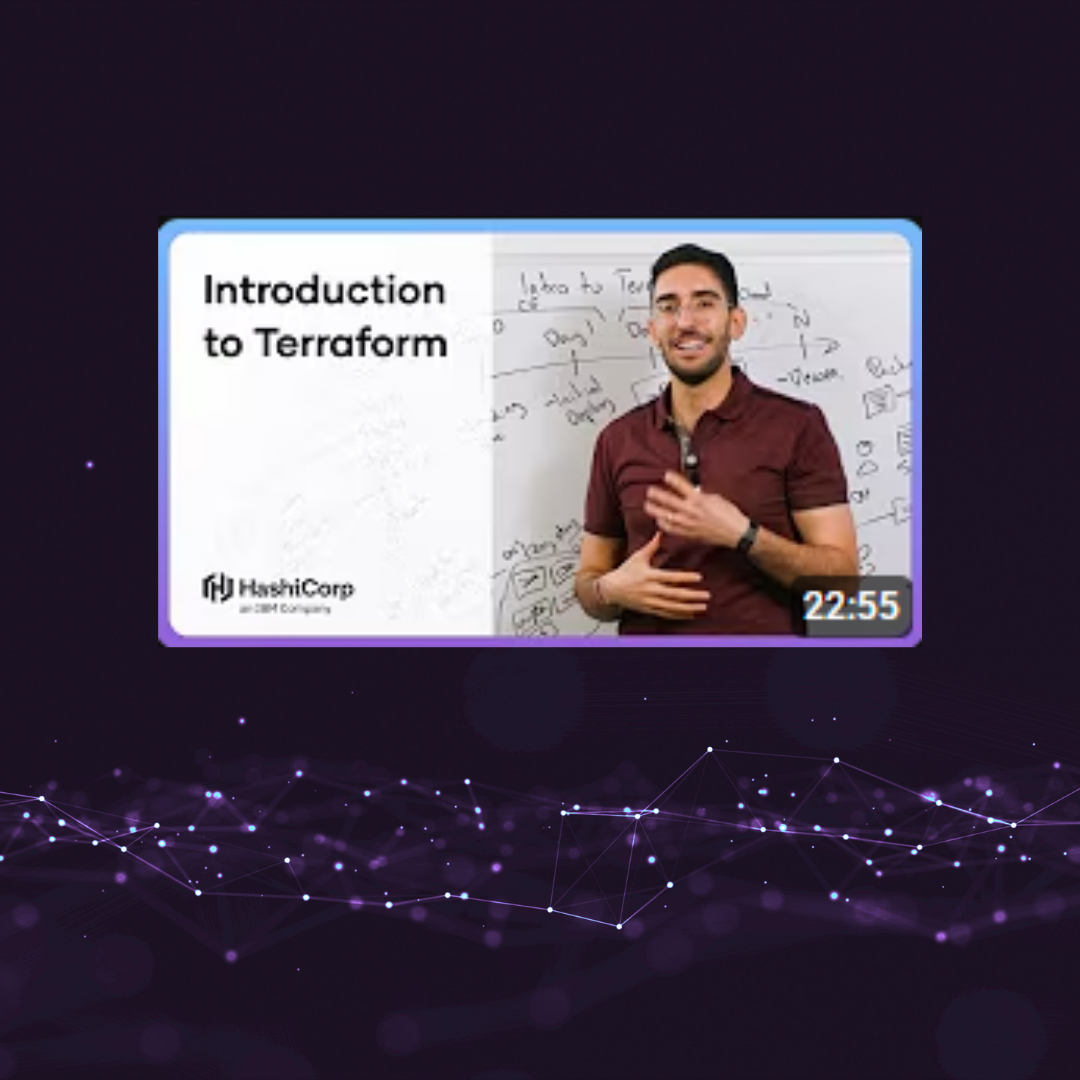
Terraform reimagines how organizations automate and manage infrastructure. As an open-source Infrastructure as Code tool, it replaces manual provisioning with a simple, declarative approach. Teams define their desired infrastructure in human-readable configuration files, and Terraform automates the rest—ensuring every resource is created in the right order, every time. Its Write, Plan, Apply workflow keeps changes predictable and auditable, giving teams full control before deployment.
Whether managing cloud or on-premises environments, Terraform delivers a single, repeatable process that promotes collaboration, security, and operational consistency. It helps organizations reduce risk, accelerate delivery, and maintain scalable infrastructure that adapts easily to new business demands—all while providing a consistent foundation for automation and governance across teams. Backed by IBM’s acquisition of HashiCorp in February 2025, Terraform continues to evolve as a trusted, enterprise-grade IaC platform built for modern growth.
Key Features & Capabilities
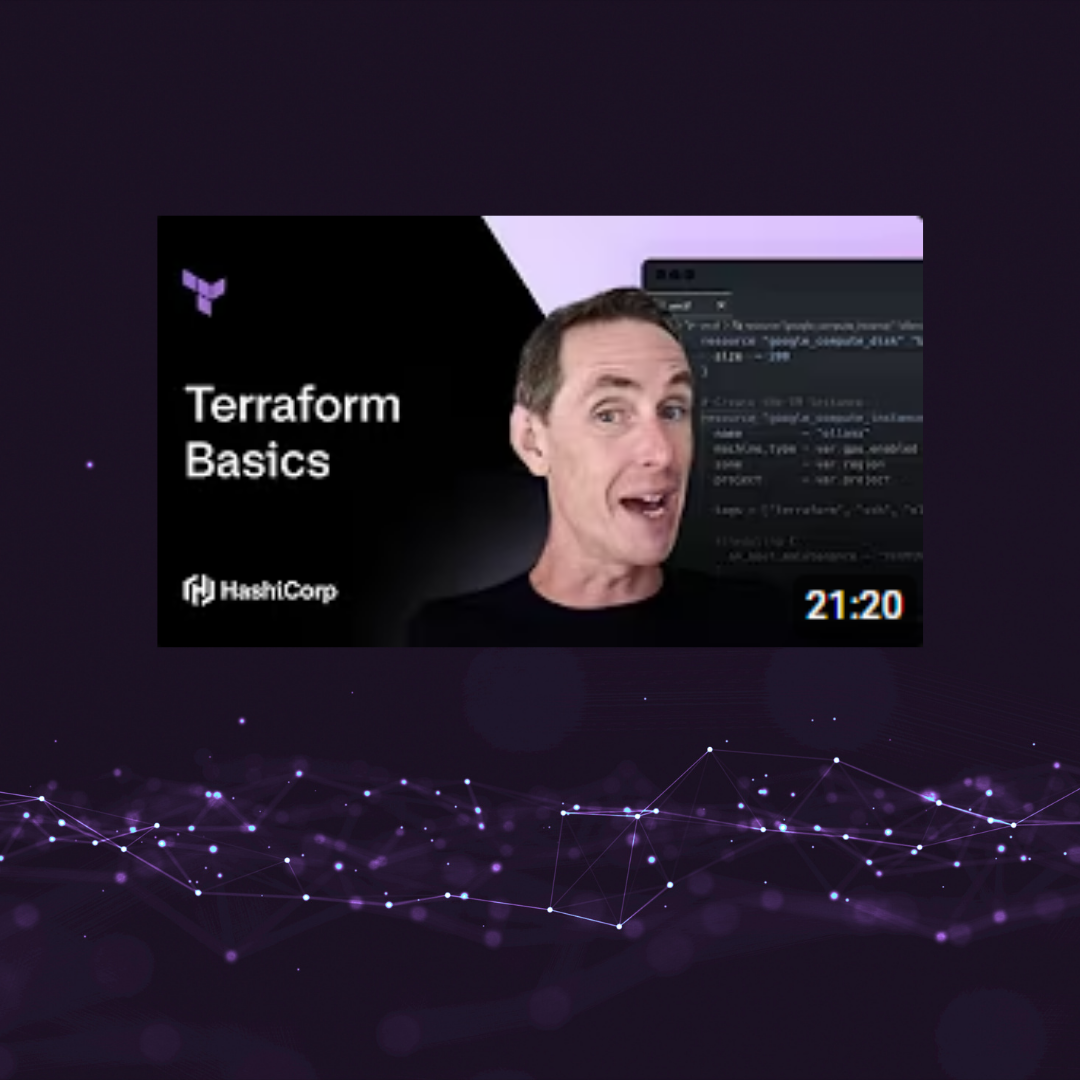
Terraform streamlines infrastructure provisioning with infrastructure as code, enabling teams to manage, version, and automate resources across cloud and on-prem environments. Its remote, SOC 2–compliant workflows support distributed collaboration with built-in VCS integrations for reviewing and approving changes.
Management
Governance
Scaling
-
Stacks to coordinate and deploy interdependent configurations.
-
Remote state storage with encryption and automatic versioning.
-
RBAC to assign permissions across platform, DevOps, and developer teams.
-
Audit logs exportable to external systems like Splunk.
-
Flexible execution via CLI, UI, API, or VCS automation.
-
Private registry for reusable, tested modules.
-
Drift detection and policy-as-code guardrails with Sentinel or OPA.
-
Workspace visibility to monitor organizational activity.
-
Self-service provisioning, CI/CD and API integrations, concurrent runs, event notifications, ephemeral workspaces, and continuous validation for long-term infrastructure health.


Business Benefits
Terraform delivers measurable business and operational value by unifying automation, governance, and efficiency into a single Infrastructure as Code platform. By provisioning and managing environments through reusable, version-controlled configuration files, organizations gain a consistent and reliable way to build infrastructure. Terraform’s immutable, declarative approach simplifies upgrades, reduces complexity, and ensures teams can deploy cloud or on-premises resources with confidence.
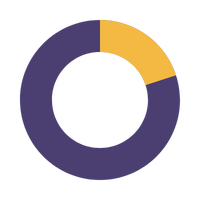
With Terraform, every infrastructure change becomes predictable, auditable, and secure. State files provide a single source of truth for all updates, reducing risk and eliminating configuration drift. Its cost-centric policies help organizations eliminate idle resources, estimate expenses before deployment, and in many cases reduce cloud spending by up to 20%. These governance capabilities turn Terraform into a powerful operational control plane.
Terraform also strengthens collaboration and accelerates delivery across the entire organization. Integrations with VCS, CI/CD, and ITSM pipelines automate workflows, enforce best practices, and improve environment consistency. Through HCP Terraform, teams benefit from policy-driven collaboration, reusable modules, and role-based access controls that support secure scaling. Together, these capabilities enable enterprises to deliver secure, automated, and cost-efficient IaC at scale.
Terraform Use Cases Across Industries
Terraform empowers organizations across industries to automate infrastructure, improve reliability, and enforce governance through a single, declarative workflow.
-
Software Defined Networking – Oil and Gas: Automate and secure distributed networks with Consul-Terraform-Sync, enabling real-time updates and reliable connectivity across remote drilling and exploration sites.
-
Kubernetes – Mining: Deploy, scale, and manage Kubernetes clusters for analytics and sensor-driven operations. Terraform ensures consistent environments from edge sites to cloud platforms.
-
Parallel Environments – Quarrying: Rapidly provision test, QA, and production environments for industrial systems—enabling agile experimentation and lowering infrastructure costs.
-
Software Demos – Rigging and Drilling: Provision full demo environments on demand, allowing technology providers to display or test operational software at scale across customer environments.
-
Multi-Cloud Deployment – Utilities: Manage infrastructure across multiple cloud providers through one workflow, increasing fault tolerance and ensuring consistent operations across critical energy and utility systems.

Integrations & Compatibility
Terraform integrates seamlessly across public clouds, private datacenters, and SaaS platforms. With over 4,000 providers, it extends automation across infrastructure, networking, data, and security layers. Each provider acts as a logical abstraction of an upstream API—handling authentication, communication, and resource provisioning. From cloud platforms to CI/CD pipelines and enterprise systems, Terraform connects every environment into one connected, scalable, and automated infrastructure ecosystem.
brs + Terraform = Infrastructure as Code for Cloud Automation
At brs, we leverage Terraform to design, deploy, and manage secure, scalable infrastructure across cloud and on-premises environments. Our team applies Infrastructure as Code best practices to standardize provisioning, optimize costs, and enhance governance. By integrating Terraform into enterprise workflows, brs helps organizations achieve greater efficiency, control, and confidence in every deployment.
Automate Infrastructure and Modernize Operations
With Terraform and brs, organizations across Canada and North America build, manage, and scale cloud environments efficiently with Infrastructure as Code.
Turn Your Data into Insights.