JavaScript for Web Experiences that Drive Results
JavaScript is the core scripting language behind modern, interactive web experiences. Used alongside HTML and CSS, it transforms static pages into responsive interfaces that react instantly to clicks, data input, and user actions in the browser. For organizations, this interactivity leads to longer time on page, smoother digital journeys, and higher conversion rates—making JavaScript a strategic foundation for customer-facing applications, self-service portals, and analytics dashboards.
JavaScript in the Modern Web Ecosystem
JavaScript is a high-level, dynamic programming language that brings behavior and intelligence to the browser. Originally created for client-side scripting, it now powers full applications across the stack—from rich user interfaces to APIs and server-side logic.
It integrates tightly with HTML, CSS, and modern frameworks to control layouts, animations, form validation, and real-time updates. Beyond the browser, runtimes such as Node.js support scalable services, event-driven architectures, and data-driven workloads. This versatility makes JavaScript essential in today’s data ecosystems, enabling responsive portals, embedded analytics, and digital products that deliver insights in milliseconds across devices, clouds, and hybrid environments.
Key Features & Capabilities
JavaScript delivers dynamic behavior across browsers and servers by interpreting code through fast, modern engines. Its flexibility across client-side and server-side environments—combined with powerful libraries and frameworks—makes it foundational for building modern digital applications.
-
Interpreted Language & Engine Speed: JavaScript engines translate code directly into machine instructions using just-in-time compilation, enabling fast execution and immediate testing.
-
Client-Side Interactivity: Browsers convert page elements into the Document Object Model (DOM), allowing JavaScript to respond to events and update HTML and CSS in real time.
-
Server-Side Logic: When executed on the server, JavaScript can access databases, run application logic, and generate dynamic content tailored to permissions and requests.
-
Libraries for Common Tasks: Tools like Chart.js, jQuery, and Date.js simplify visualization, DOM manipulation, form handling, and text or math functions.
-
Frameworks for Full Applications: Frameworks such as AngularJS, React Native, Bootstrap, and Node.js provide structured tools for web apps, mobile apps, responsive interfaces, and scalable backend systems.
Business Benefits
JavaScript delivers practical, measurable advantages for organizations building modern digital experiences. Its simplicity, portability, and ability to offload work from the server make it a strong foundation for fast, scalable applications. With intuitive syntax and straightforward DOM manipulation, teams can implement UI logic, event handling, and validation quickly. Because JavaScript runs on any device or browser and integrates seamlessly with HTML, CSS, and modern frameworks—including full-stack environments like Node.js—it supports flexible development across platforms. Client-side execution further reduces server load, improving responsiveness and lowering hosting costs while enhancing overall performance.
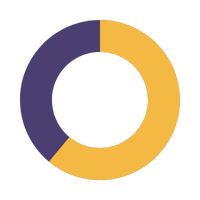
JavaScript also elevates user experience through dynamic interfaces, real-time updates, and interactive animations that increase engagement and satisfaction. Its concurrency capabilities and Node.js event-driven architecture enable applications to process multiple operations in parallel and handle high-volume workloads efficiently. A recent report shows that JavaScript is used by 61% of developers worldwide, underscoring its widespread adoption, scalability, and continued relevance in modern software ecosystems.

JavaScript Use Cases Across Industries
JavaScript supports dynamic interfaces, real-time updates, and responsive workflows across industries that depend on fast, intuitive digital experiences. Its ability to power custom visuals, embedded analytics, and interactive front-end logic makes it a valuable component of modern operational and reporting tools.
-
Energy & Utilities: JavaScript-built visuals display real-time grid loads, outage alerts, and asset health inside Microsoft Fabric workspaces.
-
Oil & Gas: Field teams access JavaScript-enhanced dashboards showing live pipeline metrics, equipment status, and inspection data.
-
Technology: Web platforms integrate Power BI reports with JavaScript-driven interactions for product analytics and system telemetry.
-
Agriculture: Custom visuals built with JavaScript show crop performance, soil conditions, and weather overlays.
-
Food Manufacturing: Power BI Embedded dashboards use JavaScript APIs to track batch quality, production cycles, and compliance indicators.
-
Chemical & Plastics Manufacturing: JavaScript-powered visuals monitor production metrics, safety KPIs, and predictive-maintenance signals.
Integrations & Compatibility
JavaScript integrates seamlessly across modern web architectures, connecting effortlessly with HTML, CSS, and the broader ecosystem of front-end libraries and frameworks. Its compatibility extends to server-side environments like Node.js, enabling unified logic across browsers and back-end services. JavaScript also works smoothly with major analytics and application platforms, supporting custom visuals, embedded reporting, API-driven workflows, and cross-platform user interfaces. Because it runs on every modern browser and device, JavaScript ensures consistent performance—whether powering standalone applications, enhancing enterprise dashboards, or extending cloud-based data environments.
brs + JavaScript = Interactive Webpages
At brs, JavaScript plays a central role in how we design, extend, and optimize modern digital experiences. From interactive dashboards to embedded analytics and custom application logic, our team leverages JavaScript to build responsive, high-performance solutions that connect users to insight faster—across web platforms, enterprise systems, and cloud environments.
Build Smarter, High-Performance Digital Experiences
With JavaScript and brs, organizations across Canada and North America can accelerate innovation, strengthen analytics, and deliver seamless user experiences.
Turn Your Data into Insights.